

In the warm embrace of summer, the air often buzzes with the sounds of various insects going about their business. Among these creatures, carpenter bees hold a unique place, captivating the curiosity of nature enthusiasts and casual observers alike. With their distinctive appearance resembling that of bumblebees, these solitary insects boast a shiny, hairless abdomen that sets them apart. While their buzzing can be alarming to those unfamiliar, understanding the carpenter bee's role in our ecosystem reveals a fascinating world intertwined with nature's intricate design.
Carpenter bees are not just intriguing due to their looks; they play an essential role in pollination, contributing to the health of various plants and flowers. As they drill into wood to create nests, they showcase remarkable engineering skills that can often leave a mark on your garden or home. Despite this behavior, they are generally non-aggressive and rarely sting, allowing us to appreciate their presence without fear. Delving deeper into the captivating lives of these buzzing builders opens up a window into their habits, habitats, and the critical roles they play in maintaining the balance of our environment.
Habitat and Behavior
Carpenter bees are commonly found in warm climates, preferring areas with ample sunlight and access to flowering plants. They thrive in both urban and rural settings, often building their nests in wood structures such as decks, fences, and even wooden furniture. These bees are not inclined to invade homes, but they favor untreated and softwood materials for their nesting sites, which can make them a concern for homeowners.
The behavior of carpenter bees is intriguing. Males are often seen buzzing around their nesting sites, performing aerial displays to establish territory. Unlike other bee species, male carpenter bees cannot sting, making them seemingly harmless although they can be quite protective of their nesting areas. Females, on the other hand, are equipped with a sting but are generally non-aggressive unless provoked.
Nesting begins in the spring when females emerge to mate and start burrowing into wood to create their brood chambers. They use their strong mandibles to excavate tunnels into the wood, which can sometimes lead to structural damage if infestations occur. Carpenter bees are also important pollinators, contributing to the health of various flowering plants as they move from blossom to blossom in search of nectar.
Life Cycle and Reproduction
Carpenter bees undergo a fascinating life cycle that begins with the female laying eggs in specially excavated nests within wood or plant stems. These nests are often found in untreated wood, which provides an ideal habitat for the developing larvae. After the eggs are laid, the female seals the nest with a mixture of wood pulp and saliva, creating a safe environment for her offspring. The eggs hatch into larvae, which feed on the pollen and nectar stored in the nest, allowing them to grow and develop.
The development of carpenter bee larvae is marked by several stages. Initially, they are small and white, resembling tiny grubs. Over time, they consume the provided food source and grow significantly. Once fully mature, the larvae undergo pupation, a crucial transformation phase where they develop into adult bees. This process can take several weeks, depending on environmental conditions such as temperature and food availability.
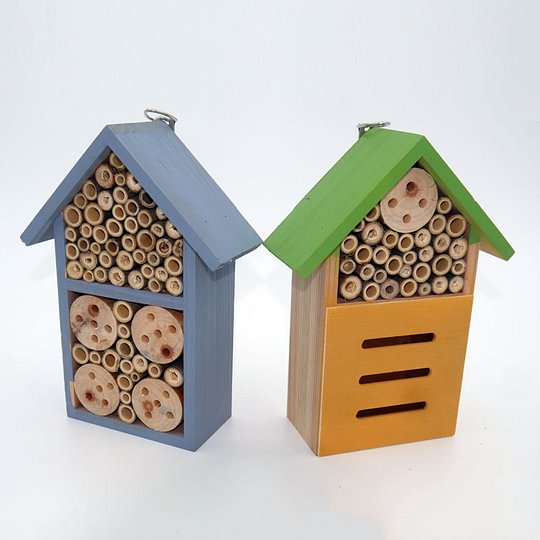
Once the pupation process is complete, adult carpenter bees emerge from their nests. Males often emerge first and may patrol the nesting area while waiting for the females. After mating, females will begin the cycle again, seeking suitable wood to create new nests for their offspring. carpenterbeehouse of emergence, mating, and nesting ensures the continuity of the carpenter bee population, making them an integral part of the ecosystems they inhabit.
Benefits and Challenges
Carpenter bees play a significant role in pollination, contributing to the health of various plant species. As they visit flowers to collect nectar and pollen, they inadvertently transfer pollen from one bloom to another, which is essential for plant reproduction. This natural process helps sustain local ecosystems and supports the growth of fruits, vegetables, and other crops, benefiting both wildlife and humans. Their exceptional ability to pollinate can enhance the yield of flowering plants, making them valuable allies in agriculture.
However, the behavior of carpenter bees also presents challenges, particularly when they choose to nest in wooden structures. Their nesting habits involve creating tunnels in wood, which can lead to structural damage over time. This is especially concerning for homeowners who find these bees boring into their decks, fences, or the siding of their homes. Although the damage is typically not severe, it can be bothersome and, in some cases, costly to repair. Homeowners must weigh the ecological benefits of carpenter bees against the potential for wood damage.
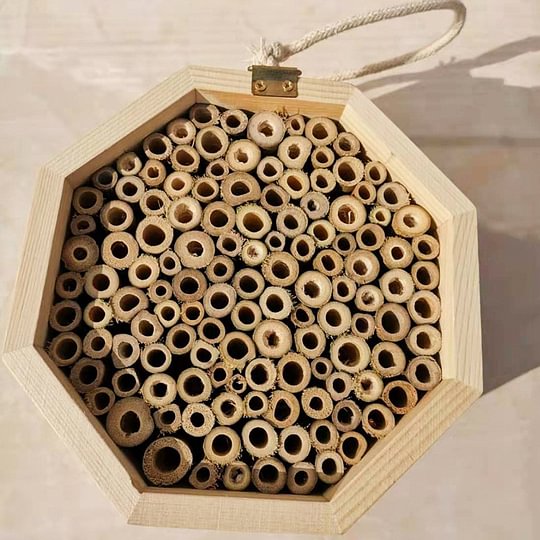
Managing carpenter bee populations requires a balance between encouraging their role as pollinators and minimizing their impact on human structures. While some homeowners may opt for preventive measures to discourage nesting, such as using physical barriers or choosing suitable wood treatments, others might choose to embrace the presence of these helpful insects. Educating the public about the importance of carpenter bees can foster a more harmonious coexistence, allowing both bees and humans to thrive in shared environments.